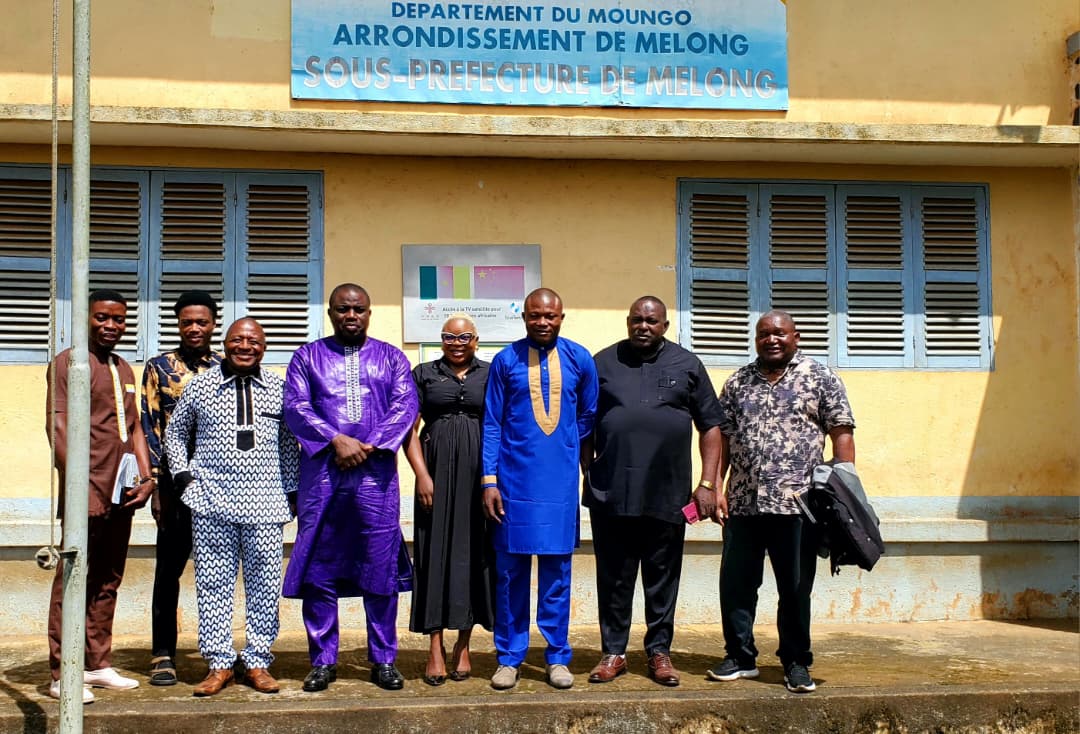
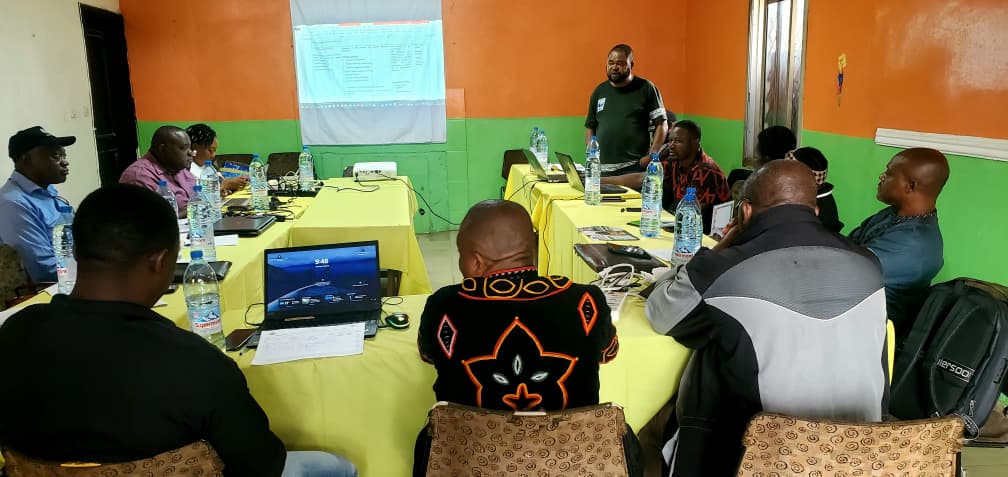
The Environment and Rural Development Foundation (ERuDeF) has significantly advanced its great ape conservation efforts in the Tofala Hills Wildlife Sanctuary (THWS), Cameroon, following a collaborative management workshop in Melong. Organized under the Program for Sustainable Management of Natural Resources (PSMNR) South West Region, the training equipped ERuDeF’s team and park authorities with innovative strategies to protect endangered primates within the sanctuary.
The Tofala Hills Sanctuary and the Need for Collaboration
Established in 2014, the THWS spans 8,080 hectares of sub-montane and montane forests, providing a vital habitat for some of Africa’s most endangered primates, including gorillas and other species. Its conservation is a priority in Cameroon’s biodiversity hotspot. The sanctuary is surrounded by 11 villages whose populations rely on the forest for their livelihoods, creating a challenge in balancing conservation with community development. This conflict necessitates a collaborative management approach.
Pillars of Collaborative Management
The Melong workshop focused on a collaborative management model that shifts from top-down imposition to a negotiated, shared responsibility among all stakeholders. Effective great ape conservation, under this model, requires the active participation and ownership of local communities.
The approach is built on three core pillars:
-
Partnership and Shared Responsibility: Communities and park services operate as partners, negotiating responsibilities and benefits. Local people are brought to the table as co-managers of their natural heritage.
-
Community Empowerment Through Participation: Local Collaborative Management Committees (LCMCs) and Cluster Platforms ensure that the voices of all community groups (NTFP collectors, hunters, youth, women) are heard in decision-making.
-
Integrated Conservation and Development: Great ape protection is explicitly linked to community development through Village Development Measures (VDMs) and Collaborative Management Activities (CMAs), creating tangible incentives for conservation.
Strategies for Great Ape Protection
ERuDeF’s adoption of this model will revolutionize conservation in Tofala through interconnected strategies:
-
Community-Led Anti-Poaching: Local communities will be engaged in joint surveillance, wildlife monitoring, and enforcement. Villagers, previously tempted by bushmeat hunting, become the first line of defense, participating in patrols and reporting illegal activities.
-
Sustainable Livelihood Alternatives: The project will implement Village Development Measures to reduce pressure on great ape habitats. This includes supporting non-timber forest product (NTFP) harvesting, improving agriculture, and promoting income-generating activities. This strategy draws from successful experiences in areas like Mount Cameroon National Park, where NTFP cooperatives reduced forest pressure while generating income.
-
Habitat Protection through Cluster Conservation Zones (CCZs): The 11 surrounding villages will be organized into clusters, each responsible for managing specific CCZs within and around the sanctuary. This territorial stewardship creates a sense of ownership, transforming locals into active conservationists.
-
Integrated Livelihood Support for High-Risk Groups: Targeted interventions, such as vocational training and alternative livelihood support, will be provided to hunters, offering viable economic alternatives to reduce hunting pressure on endangered primates.
-
Conservation Education: Programs for youth, including scholarship schemes, will build long-term stewardship for great apes, fostering the next generation of conservation champions.
The Melong workshop provided essential skills in negotiation, participatory planning, and conflict resolution, preparing ERuDeF to establish LCMCs and formulate Cluster Conservation Development Agreements (CCDAs). Building on proven successes in other protected areas like Takamanda National Park, this approach secures the future of Tofala’s apes by demonstrating a model where conservation and community development mutually reinforce each other. It transforms local communities from potential threats into invested conservation partners.