 ERuDeF Joins Forces to Protect the World’s Most Endangered Gorilla
A landmark knowledge exchange workshop in Douala brings nine conservation organisations together to forge a coordinated alliance for the Cross River Gorilla
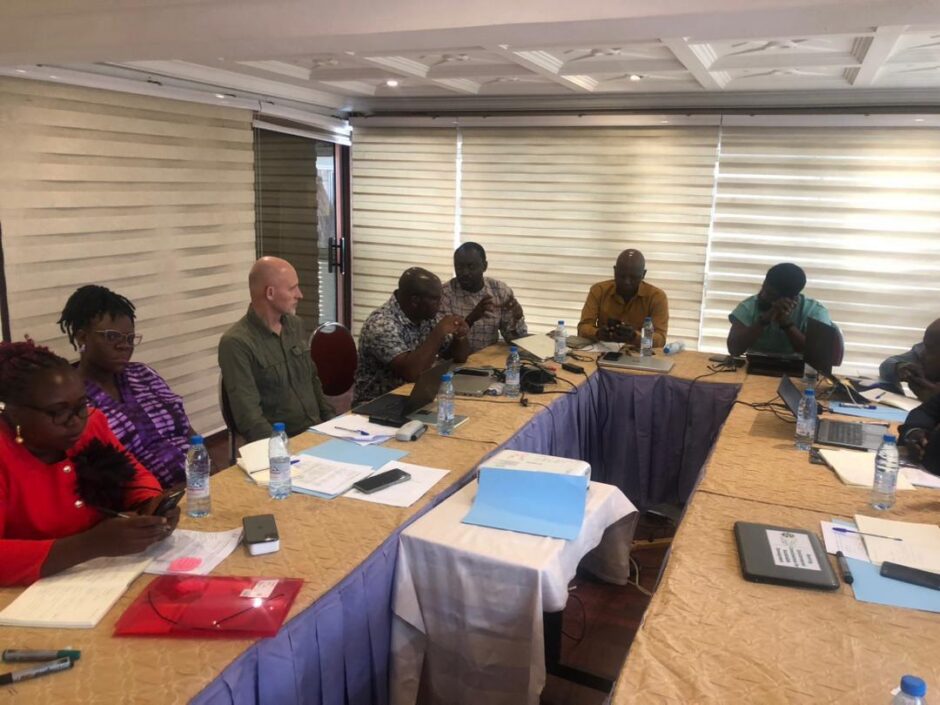
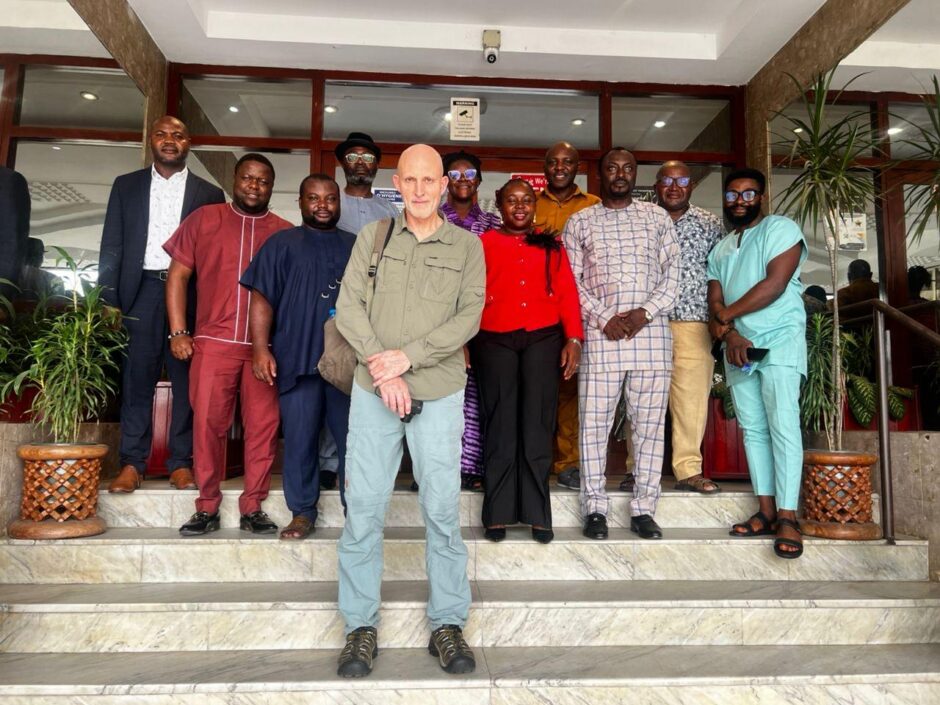
With fewer than 300 individuals surviving in scattered forest fragments along the Cameroon-Nigeria border, the Cross River Gorilla holds the grim distinction of being the most endangered gorilla subspecies on Earth. Protecting this critically threatened population demands more than individual action — it demands unity. That conviction drove ERuDeF to the heart of a major three-day knowledge exchange workshop held in Douala from 25 to 27 February 2026, where nine conservation organisations came together with one shared purpose: to build a coordinated front for the survival of the Cross River Gorilla.
Convened by the African Conservation Foundation and funded through Conservation Connect, the workshop titled Knowledge Exchange on Community Forests in the Cross River Gorilla Range was co-facilitated by ERuDeF and CEPOW Cameroon. For ERuDeF, participation was not merely representational — the organisation played a central role in opening proceedings, shaping discussions, and anchoring the emerging alliance that the workshop was designed to birth.
Seated around the table were representatives from eight other organisations: CEPOW Cameroon, SURUDEV, CIRMAD, CBMM, MEGWAH, AJESH, SEKAKOH, and the African Conservation Foundation itself. Together, they covered the full breadth of the Cross River Gorilla range — from the dense forests of Takamanda and Tofala, to the Kagwene–Mbulu gorilla sanctuary, the Rumpi Hills forest block, and the transboundary landscapes stretching into Nigeria.
Diagnosing the Threat — And Building Solutions Together
On the first day of the workshop, participants took a frank and sobering look at the threats facing Cross River Gorilla habitats. Habitat fragmentation — the breaking up of forest into isolated patches — was identified as the single greatest threat to the species. When gorilla groups cannot move between forest landscapes, genetic diversity declines and populations edge closer to extinction. Deforestation, weak policy enforcement, regional insecurity affecting field monitoring operations, and poverty driving communities to depend on forest extraction were also named as critical challenges.
ERuDeF and its partner organisations did not only name the problems — they mapped solutions. Restoring ecological corridors to reconnect fragmented gorilla habitats, strengthening community-based monitoring systems, building tighter partnerships with government authorities, and developing sustainable livelihoods for forest communities all emerged as strategic priorities. The discussions reinforced a principle that ERuDeF has long championed: that lasting conservation can only succeed when the communities who live alongside wildlife become its primary guardians.
Strengthening the Science of Conservation
Day two of the workshop moved into technical territory, addressing how participating organisations monitor biodiversity and track the health of gorilla habitats. One of the highlights was the introduction of the SMART platform — the Spatial Monitoring and Reporting Tool — presented by CBMM. This digital system allows conservation teams to collect wildlife data in the field, map threats, track law enforcement, and generate automated reports. ERuDeF and other partners recognised the potential of SMART to harmonise data collection across the entire Cross River Gorilla range, turning fragmented field observations into a unified intelligence system.
The sessions also explored cutting-edge methods including satellite monitoring, drone surveillance, and environmental DNA (eDNA) analysis — technologies that allow scientists to detect the presence of wildlife from traces left in water or soil. For organisations like ERuDeF, which operates in landscapes where direct gorilla sightings are rare, these non-invasive tools represent a significant leap forward in conservation intelligence.
Participants also explored livelihoods that can simultaneously reduce pressure on forests and support local economies: agroforestry, beekeeping, aquaculture, mushroom cultivation, small-scale livestock farming, and ecotourism. The discussions reflected a growing consensus that conservation and human development are not competing goals but complementary ones. Additionally, the potential for carbon credit financing — linking forest protection to global carbon markets — was identified as a promising avenue for generating long-term conservation revenue.
The most consequential outcome of the workshop arrived on the final day: the formal agreement to establish a Cross River Gorilla Community-Led Conservation Alliance.
This is a significant vote of confidence in ERuDeF’s standing within the regional conservation community. As Secretariat host, ERuDeF will be responsible for coordinating the alliance’s operations, facilitating communication between member organisations, supporting the development of governance documents, and driving the 12-month action plan that the workshop produced.
The alliance’s structure reflects a comprehensive approach to conservation governance. Its framework is built on six interconnected pillars: community engagement, biodiversity monitoring, livelihood development, communication and advocacy, sustainable financing, and a shared governance structure. Every pillar reflects an area where ERuDeF has existing expertise and ongoing programmes.
ERuDeF’s active role in this initiative is a natural extension of its long-standing commitment to protecting great apes and their forest habitats in Cameroon. The Tofala Hill Wildlife Sanctuary, which ERuDeF makes interventions, falls squarely within the Cross River Gorilla range. By helping to establish and host the alliance secretariat, ERuDeF is not only amplifying its own conservation impact , it is helping to build the architecture for landscape-level protection that no single organisation could achieve alone.
The Douala workshop marks a turning point. For the Cross River Gorilla , a species hanging on by the slimmest of margins collaborative, science-driven, community-centred conservation is not just the best option. It is the only option. ERuDeF is proud to stand at the centre of that effort.